
High-Efficiency Enclosure Cooling Systems for Industrial Thermal Management
Pfannenberg, Inc. has developed a new thermal management solution utilizing R513A refrigerant to regulate internal temperatures in high-density industrial control cabinets.
http
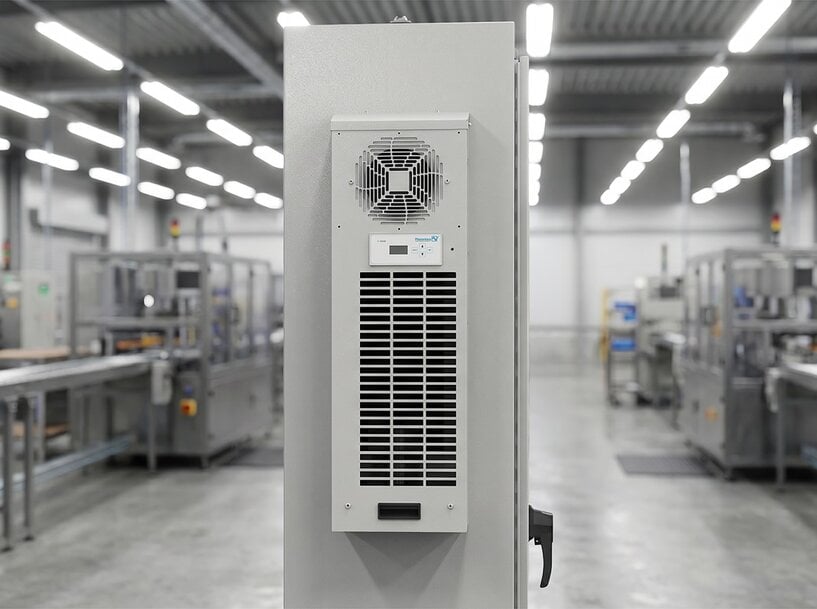
The management of heat dissipation in densely packed electrical enclosures is a critical factor for maintaining the operational stability of industrial control systems. To address thermal loads in these environments, Pfannenberg, Inc. has introduced an updated enclosure cooling platform designed to regulate internal temperatures across manufacturing plant floors, outdoor infrastructure, and washdown applications. This system provides targeted air circulation and utilizes lower-global-warming-potential (GWP) refrigerants to comply with evolving environmental regulations while protecting sensitive electronic components from thermal degradation.
Airflow Mechanics and Evaporator Design
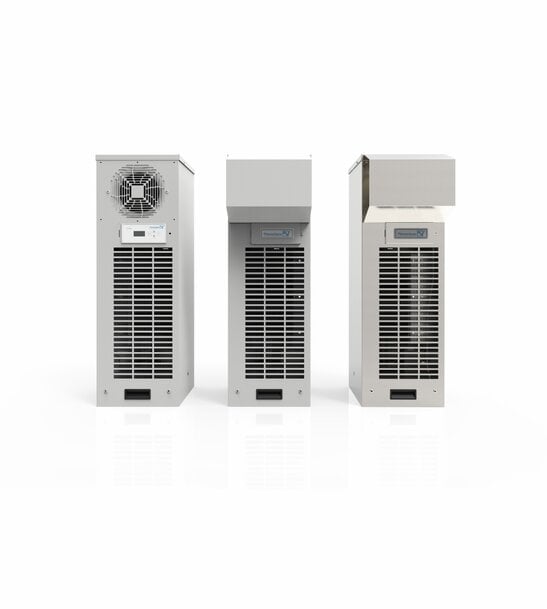
The cooling mechanism relies on an extended internal air path that actively draws hot air generated by internal components from the upper section of the cabinet and discharges cooled air into the lower section. This top-to-bottom circulation prevents thermal stratification and maintains a uniform temperature gradient throughout the enclosure. A large-surface-area evaporator coil facilitates increased volumetric airflow, accommodating the thermal output of high-density electrical configurations. The mechanical units are engineered with a side-mount architecture that integrates into standard 12-inch-wide control panels, optimizing spatial requirements on the factory floor.
Refrigerant Implementation and Safety Compliance
A defining characteristic of the platform is the standard integration of R513A refrigerant. R513A is a hydrofluoroolefin (HFO) blend recognized for having a significantly lower GWP compared to legacy hydrofluorocarbons (HFCs). Its utilization enables compliance with stringent environmental directives, including specific regulatory frameworks in California governing industrial and IT infrastructure. The refrigerant maintains an A1 nonflammable safety classification under ASHRAE standards, ensuring safe deployment in industrial facilities. The cooling platform is available in capacities of 4,700 and 8,500 BTU/hr to address varying heat load parameters. The system is also listed to UL 60335, aligning with updated safety standards for commercial and industrial appliances.
Ingress Protection and External Serviceability
For deployment in harsh environments, the cooling systems feature Type 12, 3R, and 4X protection ratings, providing defenses against dust ingress, water spray, and corrosion. Maintenance protocols are optimized through an external component layout. Technicians can access critical mechanical and electrical parts from the exterior of the enclosure. This design eliminates the necessity to open energized cabinets, thereby bypassing complex lockout/tagout procedures and reducing equipment downtime during routine servicing. Additionally, a preinstalled enclosure gasket accelerates the initial mechanical integration process. Operator interfacing is managed externally, offering either a basic LED status indicator for operational verification or a digital display controller for external monitoring and parameter adjustment.
Operational Impact
According to James Wong, Director of Product Management, the integration of R513A refrigerant alongside full external service access and an updated airflow architecture provides panel builders and operators with a standardized method to regulate thermal loads within complex industrial environments.
Additional Context: This section details technical specifications and competitive benchmarking not included in the original product announcement.
In the industrial enclosure cooling sector, manufacturers are transitioning from legacy refrigerants like R134a to lower-GWP alternatives such as R513A due to phasedown regulations like the AIM Act in the United States and F-Gas regulations in Europe. R513A offers a GWP of approximately 631, which represents a 56 percent reduction compared to R134a, while maintaining similar cooling capacities and operating pressures. Comparable thermal management solutions from manufacturers such as Rittal and nVent HOFFMAN also incorporate advanced airflow management, digital controllers, and external serviceability to minimize lockout/tagout requirements. The integration of external diagnostics and active condensate evaporation are standard benchmarking criteria in this capacity range (4,000 to 9,000 BTU/hr), focusing on minimizing energy consumption and maintenance cycles in NEMA 4X and Type 12 rated applications.
Edited by an industrial journalist, Lekshman Ramdas, with AI assistance.
www.pfannenbergusa.com
-2296-71282-204124.png)