
www.magazine-industry-usa.com
30
'26
Written on Modified on
Electric Freight Trucks Support Urban Food Distribution Electrification
Volvo Trucks North America will supply battery-electric Class 8 trucks to a New York food rescue fleet, linking vehicle deployment with dedicated charging infrastructure in a dense freight corridor.
www.volvotrucks.com
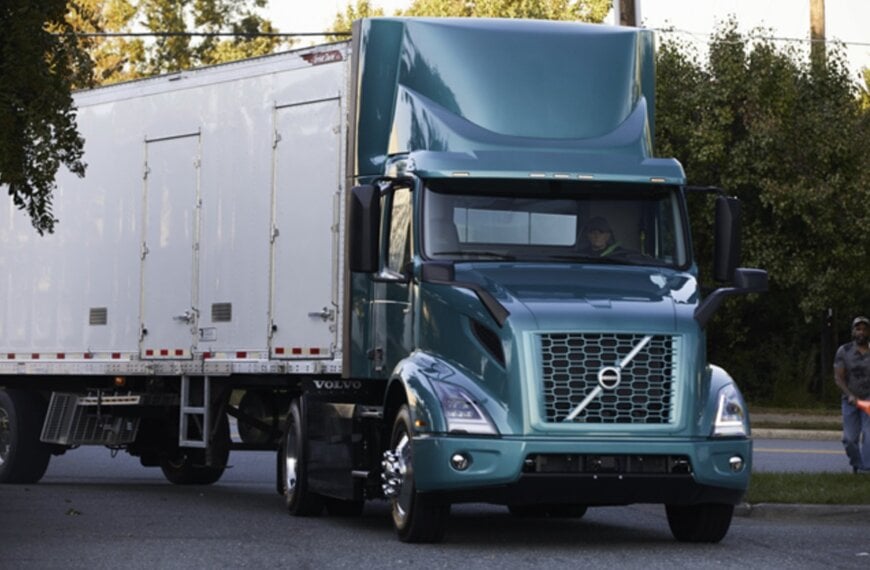
Battery-electric trucks are being introduced into urban logistics routes in New York City as part of a broader commercial vehicle electrification effort aimed at reducing local diesel emissions and traffic noise. In this context, Volvo Trucks North America is scheduled to deliver three Volvo VNR Electric trucks to City Harvest in 2026 under the Bronx is Breathing project.
Urban freight operations in a high-traffic corridor
City Harvest operates across all five New York City boroughs, collecting surplus food from suppliers and distributing it to community organizations. The fleet works in areas with heavy truck traffic, particularly around the Hunts Point peninsula in the South Bronx, one of the largest wholesale food distribution centers in the United States, with more than 15,000 truck trips on a typical workday.
Freight activity in this corridor has been associated with elevated local air pollution and noise levels. The Bronx is Breathing initiative combines vehicle electrification with charging infrastructure to address these conditions in neighborhoods adjacent to the freight zone.
Battery-electric trucks for zero tailpipe emissions
The Volvo VNR Electric is designed for urban and regional haul applications where vehicles operate near residential and commercial areas. The trucks supplied to City Harvest will use battery-electric drivetrains and will be equipped with battery-electric transport refrigeration units. This configuration eliminates tailpipe emissions not only from vehicle propulsion but also from refrigerated cargo operation, which is relevant for food distribution fleets that traditionally rely on diesel-powered refrigeration systems.
Quiet electric drivetrains are also suited to early-morning and late-night delivery schedules common in food logistics, where reduced noise can limit disturbance in densely populated districts.
Charging infrastructure tied to fleet deployment
Initial charging for the vehicles will take place at a new installation at the Fulton Fish Market Cooperative in the Hunts Point Food Distribution Center. Over the longer term, charging is planned to transition to a public freight-focused hub being developed by MN8 Energy in the same area. When operational in 2029, the site is planned to include 32 DC fast chargers, with bays sized for heavy-duty Class 8 trucks, in addition to 10 Level-2 chargers.
This combination of depot-based and shared high-power charging is intended to support regular route operations while enabling future fleet expansion in the corridor.
Public funding and multi-fleet rollout
The Bronx is Breathing project is backed by a $10 million award from the New York Clean Transportation Prizes program, administered by the New York State Energy Research and Development Authority (NYSERDA) in partnership with the New York State Department of Public Service and the Department of Environmental Conservation. Beyond City Harvest’s three vehicles, the program supports a broader eight-vehicle Volvo Group deployment for food distribution, waste operations, and local delivery services in Hunts Point.
City Harvest reports distributing more than 86 million pounds of food per year, equivalent to roughly 250,000 pounds per day. Electrifying part of this fleet shifts a portion of these high-frequency urban trips from diesel to electric drive, reducing localized exhaust emissions along established delivery routes.
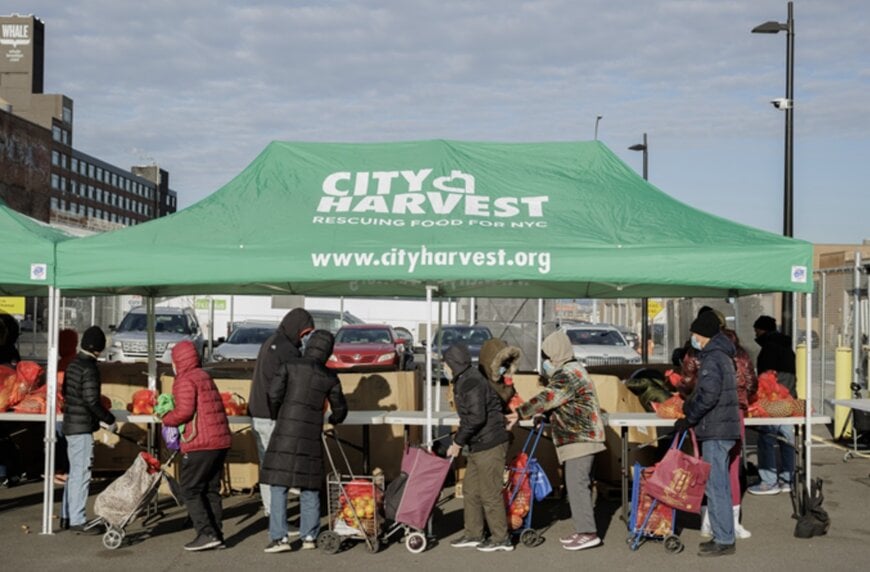
City Harvest will utilize their zero-tailpipe emission Volvo VNR Electric trucks to pick up excess food that would otherwise go to waste from grocers, farms, manufacturers, and restaurants and deliver it to food pantries, soup kitchens, and their own Mobile Markets® (pictured).
Service readiness for electric truck fleets
Vehicle supply and aftersales support are being handled by Milea Truck Sales and Leasing, a Bronx-based dealership certified under the Volvo Trucks Certified EV Dealership program. The site has invested in dedicated electric vehicle service bays, charging infrastructure, and trained personnel to support battery-electric truck maintenance. Local service capability is a key factor in maintaining uptime for fleets transitioning from conventional diesel platforms to electric heavy-duty vehicles.
Together, the vehicle deployment and charging investments illustrate how commercial vehicle electrification can be structured around specific urban freight corridors, combining fleet operations, infrastructure planning, and public funding to address air quality and noise exposure in densely populated areas.
www.volvotrucks.com
Urban freight operations in a high-traffic corridor
City Harvest operates across all five New York City boroughs, collecting surplus food from suppliers and distributing it to community organizations. The fleet works in areas with heavy truck traffic, particularly around the Hunts Point peninsula in the South Bronx, one of the largest wholesale food distribution centers in the United States, with more than 15,000 truck trips on a typical workday.
Freight activity in this corridor has been associated with elevated local air pollution and noise levels. The Bronx is Breathing initiative combines vehicle electrification with charging infrastructure to address these conditions in neighborhoods adjacent to the freight zone.
Battery-electric trucks for zero tailpipe emissions
The Volvo VNR Electric is designed for urban and regional haul applications where vehicles operate near residential and commercial areas. The trucks supplied to City Harvest will use battery-electric drivetrains and will be equipped with battery-electric transport refrigeration units. This configuration eliminates tailpipe emissions not only from vehicle propulsion but also from refrigerated cargo operation, which is relevant for food distribution fleets that traditionally rely on diesel-powered refrigeration systems.
Quiet electric drivetrains are also suited to early-morning and late-night delivery schedules common in food logistics, where reduced noise can limit disturbance in densely populated districts.
Charging infrastructure tied to fleet deployment
Initial charging for the vehicles will take place at a new installation at the Fulton Fish Market Cooperative in the Hunts Point Food Distribution Center. Over the longer term, charging is planned to transition to a public freight-focused hub being developed by MN8 Energy in the same area. When operational in 2029, the site is planned to include 32 DC fast chargers, with bays sized for heavy-duty Class 8 trucks, in addition to 10 Level-2 chargers.
This combination of depot-based and shared high-power charging is intended to support regular route operations while enabling future fleet expansion in the corridor.
Public funding and multi-fleet rollout
The Bronx is Breathing project is backed by a $10 million award from the New York Clean Transportation Prizes program, administered by the New York State Energy Research and Development Authority (NYSERDA) in partnership with the New York State Department of Public Service and the Department of Environmental Conservation. Beyond City Harvest’s three vehicles, the program supports a broader eight-vehicle Volvo Group deployment for food distribution, waste operations, and local delivery services in Hunts Point.
City Harvest reports distributing more than 86 million pounds of food per year, equivalent to roughly 250,000 pounds per day. Electrifying part of this fleet shifts a portion of these high-frequency urban trips from diesel to electric drive, reducing localized exhaust emissions along established delivery routes.
City Harvest will utilize their zero-tailpipe emission Volvo VNR Electric trucks to pick up excess food that would otherwise go to waste from grocers, farms, manufacturers, and restaurants and deliver it to food pantries, soup kitchens, and their own Mobile Markets® (pictured).
Service readiness for electric truck fleets
Vehicle supply and aftersales support are being handled by Milea Truck Sales and Leasing, a Bronx-based dealership certified under the Volvo Trucks Certified EV Dealership program. The site has invested in dedicated electric vehicle service bays, charging infrastructure, and trained personnel to support battery-electric truck maintenance. Local service capability is a key factor in maintaining uptime for fleets transitioning from conventional diesel platforms to electric heavy-duty vehicles.
Together, the vehicle deployment and charging investments illustrate how commercial vehicle electrification can be structured around specific urban freight corridors, combining fleet operations, infrastructure planning, and public funding to address air quality and noise exposure in densely populated areas.
www.volvotrucks.com
