
www.magazine-industry-usa.com
16
'26
Written on Modified on
Rio Tinto and Prysmian Launch Trial for Low Carbon Aluminium
Rio Tinto and Prysmian have partnered on an industrial trial producing low-carbon aluminium cables to reduce the environmental footprint of rapidly expanding global data centres.
www.riotinto.com
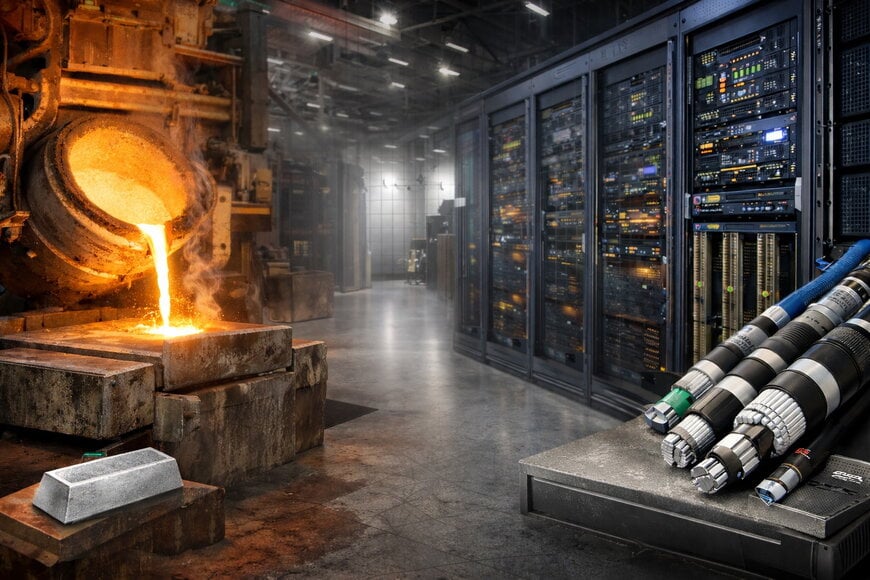
The integration of ELYSIS™ technology and hydropowered smelting is positioning Rio Tinto and Prysmian at the forefront of the high-growth data center market. While traditional cable manufacturing often relies on carbon-intensive processes, this partnership leverages a zero-direct-carbon smelting breakthrough to deliver a specialized aluminium cable that significantly lowers the Scope 3 emissions of critical IT infrastructure. This differentiation is vital as data center operators face increasing pressure to balance massive energy demands with aggressive Net Zero commitments.
Breakthrough Decarbonization in Cable Manufacturing
The core of this technical evolution lies in the industrial trial of aluminium rods produced at the Alma smelter in Quebec. By blending hydropowered aluminium with metal produced via the ELYSIS™ process—which replaces traditional carbon anodes with inert materials to emit pure oxygen instead of greenhouse gases — the partnership has successfully decarbonized the primary material input. This process represents a fundamental shift away from the industry standard, offering a tangible solution for the 7% of North American cable demand currently driven by the data center sector.
Scaling Infrastructure for Rapid Market Growth
As the data center market is projected to expand at a compound annual growth rate of 17% through 2030, the shift toward aluminium over copper is accelerating. Aluminium provides a more cost-efficient and lightweight solution for power distribution across expansive server campuses. By combining Rio Tinto’s low-carbon metal portfolio with Prysmian’s advanced research and development, the five-year agreement signed in 2023 ensures a stable, sustainable supply chain. This collaboration allows operators to meet the dual challenges of rapid physical expansion and the necessity for high-performance, low-impact power transmission.
Edited by an industrial journalist, Evgeny Churilov.
www.riotinto.com
-2296-71282-204124.png)