
www.magazine-industry-usa.com
04
'26
Written on Modified on
Siemens at DTECH 2026
From February 2–5 in San Diego, California, Siemens showcases interoperable Xcelerator solutions and AI-driven digital twins to help utilities modernize infrastructure and accelerate the global energy transition.
www.sw.siemens.com
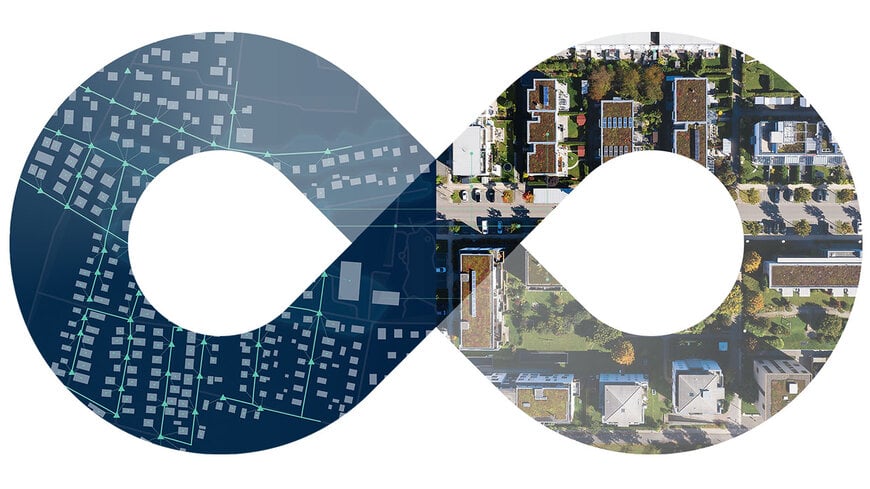
Modern power grids are facing unprecedented pressure from the rise of electric vehicles, AI-driven data centers, and the integration of renewable energy. While traditional infrastructure upgrades are slow and costly, the transition toward autonomous grid management offers a way to increase capacity and resilience using digital intelligence. At DTECH 2026, Siemens demonstrates how its ecosystem of software and hardware differentiates itself from traditional, siloed solutions by creating a unified, self-optimizing energy network.
Achieving High-Capacity Grids Without Physical Expansion
A primary challenge for utilities is expanding capacity without the years-long timelines required for physical construction. Advanced software solutions now allow operators to run existing grids closer to their physical limits by using real-time data. For instance, dynamic line rating technology calculates transmission capacity based on current weather conditions rather than conservative static estimates, frequently unlocking 10–15% in additional capacity.
Furthermore, flexibility management tools enable utilities to manage congestion by proactively activating distributed resources like batteries and heat pumps. This approach can increase grid utilization by up to 20% and reduce investment costs by nearly 40% by deferring the need for new power lines.
Overcoming Data Silos with the Grid Digital Twin
One of the main barriers to an autonomous grid is fragmented data. Most utilities manage information across separate systems for planning, operations, and maintenance, leading to "blind spots" in the network. The shift toward a centralized digital twin solves this by creating a single source of truth that integrates IT and OT data.
By having a validated, real-time model of both transmission and distribution levels, utilities gain full transparency into low-voltage segments. This visibility is crucial for managing the bidirectional flow of electricity from prosumers and ensuring that behind-the-meter resources do not compromise equipment safety.
Enhancing Reliability Through Intelligent Automation
Autonomous grids use AI-driven "co-pilots" to assist operators in making faster decisions. In the event of an outage, these systems can automatically predict the impact, propose switching sequences, and guide field crews through restoration. This reduces the manual workload and significantly improves reliability metrics like SAIFI and SAIDI.
On the hardware side, the move toward digital substations and virtualized protection systems ensures that the grid is flexible and future-proof. Unlike traditional hardware that requires physical intervention for updates, virtualized solutions can be scaled and updated remotely, providing a secure and cost-effective path to modernization.
Securing the Digital Energy Backbone
As grids become more connected, cybersecurity becomes a critical differentiator. Modern grid software is built on "open but secure" principles, utilizing interoperable APIs to prevent vendor lock-in while maintaining high-level encryption and monitoring. By deploying resilient communication backbones and IoT platforms, utilities can protect critical assets from both physical failures and cyber threats, ensuring a stable transition to a fully autonomous energy landscape.
www.siemens.com
-2296-71282-204124.png)